
Exploring Life in the West Bank: A Closer Look at the Occupation
The West Bank is often portrayed in foreign media as a dangerous war zone, but the reality of day-to-day life for Palestinians living under occupation is much more complex. While some experience a semblance of normalcy, there are undeniable aspects of the Israeli occupation that profoundly impact the lives, well-being, and prosperity of the Palestinian people. This article aims to provide insight into the intricate reality of life under occupation in the West Bank.
Understanding the Divisions: Area A, B, and C
To grasp the dynamics of the occupation, it is crucial to comprehend the division of the West Bank into three distinct areas—A, B, and C—each governed differently. Area A, constituting approximately 18% of the West Bank, is under the full civil administrative control of the Palestinian Authority, including security responsibilities. In Area B, covering about 22% of the West Bank, the Palestinian Authority has civil control, while joint Israeli-Palestinian patrols handle internal security. Area C, comprising over 60% of the West Bank, is entirely under Israeli military government control, with the majority of land allocated to Israeli settlements, military bases, and bypass roads. This division significantly impacts the daily lives of nearly 300,000 Palestinians residing in Area C, creating barriers and fragmentation within Palestinian-controlled territories.
Military Law and Administrative Detention
Palestinians in the West Bank are subject to Israeli military law, governed by over 2500 military orders established since 1967. This legal framework lacks democratic oversight, allowing arbitrary enforcement by Israeli soldiers. In contrast, Israeli settlers in Palestine are governed by Israeli civil law. Administrative detention, a practice where Palestinians can be held indefinitely without charge, has led to the arrest of over 8000 Palestinian minors since 2000. Coerced plea bargains and widespread torture of prisoners, both adults and children, further highlight the oppressive nature of the occupation.
Challenges to Free Movement: The Wall and Checkpoints
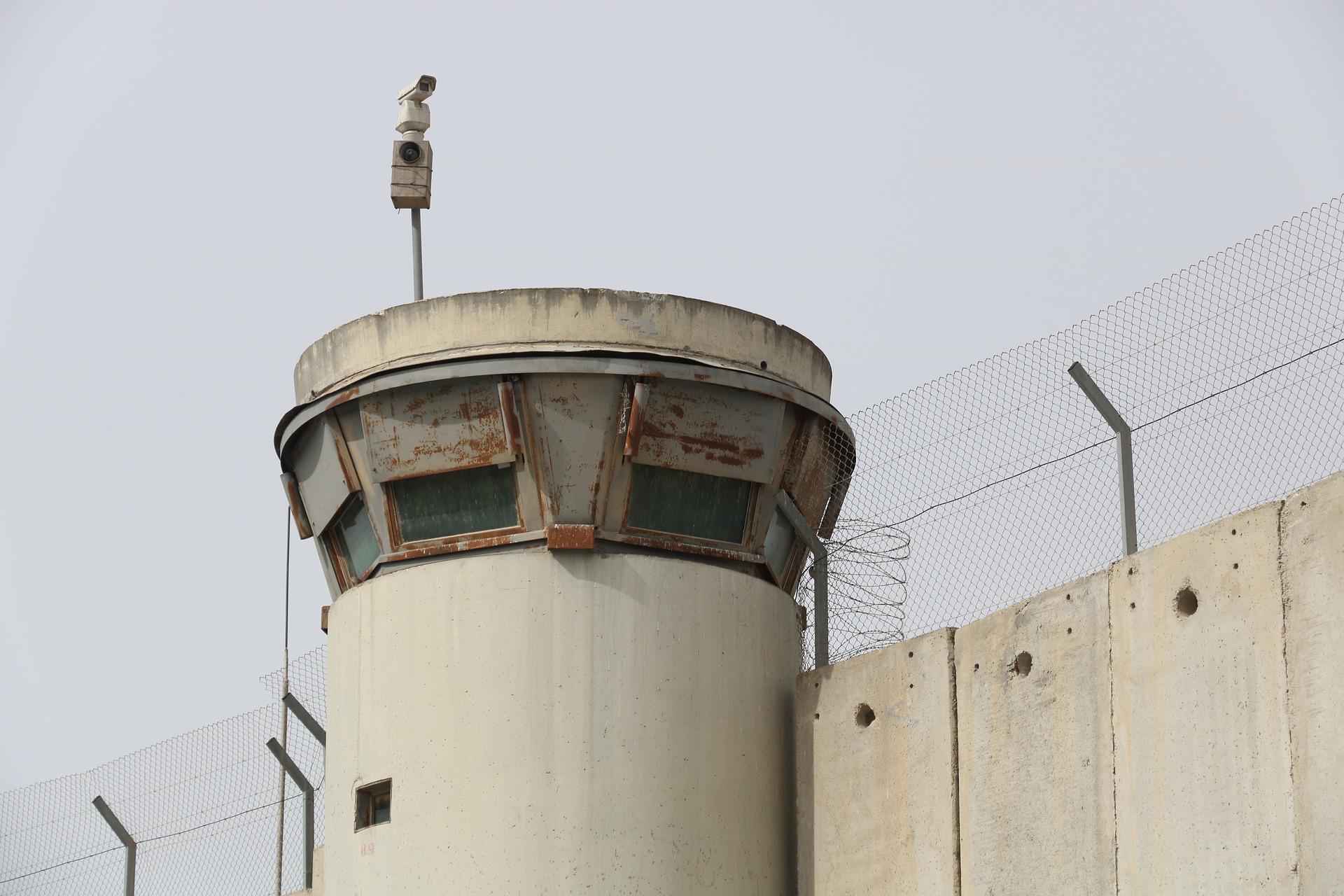
The physical manifestations of movement restrictions in the West Bank are evident through the border wall and numerous checkpoints. The construction of the wall, initiated in 2002 as a response to escalating violence, continues to expand despite international condemnation. This barrier dictates where Palestinians can live, work, and travel, reinforcing segregation and control over their daily lives. Checkpoints, operated by the Israeli military and private contractors, impede travel within the West Bank and to Israel, subjecting Palestinians to arbitrary stops, detentions, and interrogations. The requirement of Israeli permits for various activities further restricts freedom of movement and access to essential services.
Unequal Access to Resources and Segregated Infrastructure
The unequal distribution of critical resources, such as water and arable land, exacerbates hardships faced by Palestinians in the West Bank. Israeli policies restrict Palestinian access to groundwater, leading to water scarcity and dependence on Israel for basic needs. Additionally, segregated road systems and infrastructure favor Israeli settlers, further marginalizing Palestinian communities. The presence of illegal settlements, protected by the Israeli military, perpetuates land confiscation and violence against Palestinians, creating a hostile environment for daily life.
Protests and Resistance
Political demonstrations and protests against the occupation are common in the West Bank, with Palestinians asserting their right to resist foreign military control. While most protests remain peaceful, some individuals resort to stone-throwing as a form of resistance. Israeli forces often respond with crowd control measures, resulting in injuries and fatalities. The ongoing cycle of protests reflects the deep-seated grievances and resistance against the occupation.
Foreigners in the West Bank: Contrasting Experiences
For foreigners traveling or residing in the West Bank, daily life differs significantly from that of Palestinians. While the presence of settlements and the border wall is ever-present, foreigners are less likely to encounter the same restrictions and challenges faced by Palestinians. Not governed by Israeli military law, foreigners enjoy greater freedom and fewer constraints on their civil liberties, offering a unique perspective on life in the occupied territory.
In conclusion, the occupation of the West Bank presents a complex reality that profoundly impacts the lives of Palestinians. Understanding the divisions, challenges, and disparities within the region sheds light on the daily struggles and resilience of those living under occupation. By examining the multifaceted aspects of life in the West Bank, we can gain a deeper appreciation for the complexities and injustices faced by the Palestinian people.
How do I Obtain More Information?
Please email us at info@gopalestine.ps. In the email body, feel free to ask any questions you have. We will respond to you promptly.
Chat With Us!
WhatsApp or Signal: +972-598172071
Volunteer in Palestine – Go Palestine in Hebron provides a unique opportunity to support local Palestinian communities while immersing yourself in their rich culture, deep-rooted history, and everyday life under occupation.
To Check All our Volunteer & Internships Programs, please visit this link:
https://gopalestine.ps/volunteer-and-internships-programs-in-palestine/
Apply & Fees:
https://gopalestine.ps/how-to-apply//
Follow Us on Social Media:
Instagram: @go_palestine
Facebook: Go Palestine Hebron
YouTube: Go Palestine Channel
