
Who are the Palestinians? This is one of the most frequently asked questions about the Middle East, especially as Palestine remains central to global discussions about history, politics, and culture. In this article, we will explore who Palestinians are, their origins, culture, demographics, and their role in today’s world.
What Does the Term “Palestinians” Mean?
The word “Palestinians” refers to the Arab people whose roots are in the geographic region of historical Palestine. This area includes the modern state of Israel, the West Bank, and the Gaza Strip.
The identity of Palestinians is tied to a shared history, culture, language (primarily Arabic), and a collective sense of belonging to this land. Over centuries, Palestinians have developed a unique culture that distinguishes them from neighboring Arab groups.
Historical Background of the Palestinians
To understand who Palestinians are today, it’s important to look at their history.
- Ancient roots: The region called Palestine has been inhabited for thousands of years by various peoples. The name “Palestine” comes from “Philistia,” referring to the ancient Philistines, a people who lived along the Mediterranean coast during biblical times.
- Arab presence: Arabs began settling in Palestine during the 7th century CE after the Islamic conquests. Since then, the population became predominantly Arab in language, culture, and religion.
- Ottoman and British rule: For centuries, Palestine was part of the Ottoman Empire until World War I, when Britain took control under the Mandate for Palestine (1920–1948).
- 20th century upheavals: The early 20th century saw increased tensions over land and political control between Jewish immigrants and the Arab population. After Israel’s establishment in 1948, hundreds of thousands of Palestinians were displaced, creating a large refugee population.
Where Do Palestinians Live Today?
Palestinians are a global people, spread across several regions:
- Palestinian Territories: The West Bank and Gaza Strip, where the Palestinian Authority and Hamas respectively hold limited administrative control.
- Israel: Approximately 1.6 million Palestinian citizens live inside Israel, known as Arab Israelis, who hold Israeli citizenship but identify culturally as Palestinians.
- Refugee Diaspora: Millions of Palestinians live in neighboring countries such as Jordan, Lebanon, and Syria, as well as worldwide.
Palestinian Demographics in Numbers
- Around 13 million Palestinians live worldwide today.
- About 5 million live in the occupied Palestinian territories (West Bank and Gaza).
- Nearly 2 million Palestinians live inside Israel with citizenship.
- Several million are refugees and descendants of refugees displaced since 1948.
- Large communities exist in Jordan (over 3 million), Lebanon, Syria, and beyond.
Language and Religion
- Language: Palestinians primarily speak Palestinian Arabic, a dialect of Levantine Arabic. They also understand Modern Standard Arabic, which is used in formal contexts, media, and education.
- Religion: The majority of Palestinians are Muslim (Sunni Islam). There are also significant Christian Palestinian communities and smaller minorities of other faiths. Religious diversity has been part of Palestinian society for centuries.
Palestinian Culture and Traditions
Palestinian culture is rich and vibrant, reflecting its long history and diverse influences.
- Cuisine: Traditional Palestinian food includes dishes such as maqluba (upside-down rice and vegetables), musakhan (roasted chicken with sumac), and sweets like kanafeh and baklava.
- Music and Dance: The Dabke is a popular traditional folk dance performed at weddings and celebrations. Palestinian music incorporates traditional instruments such as the oud and tabla.
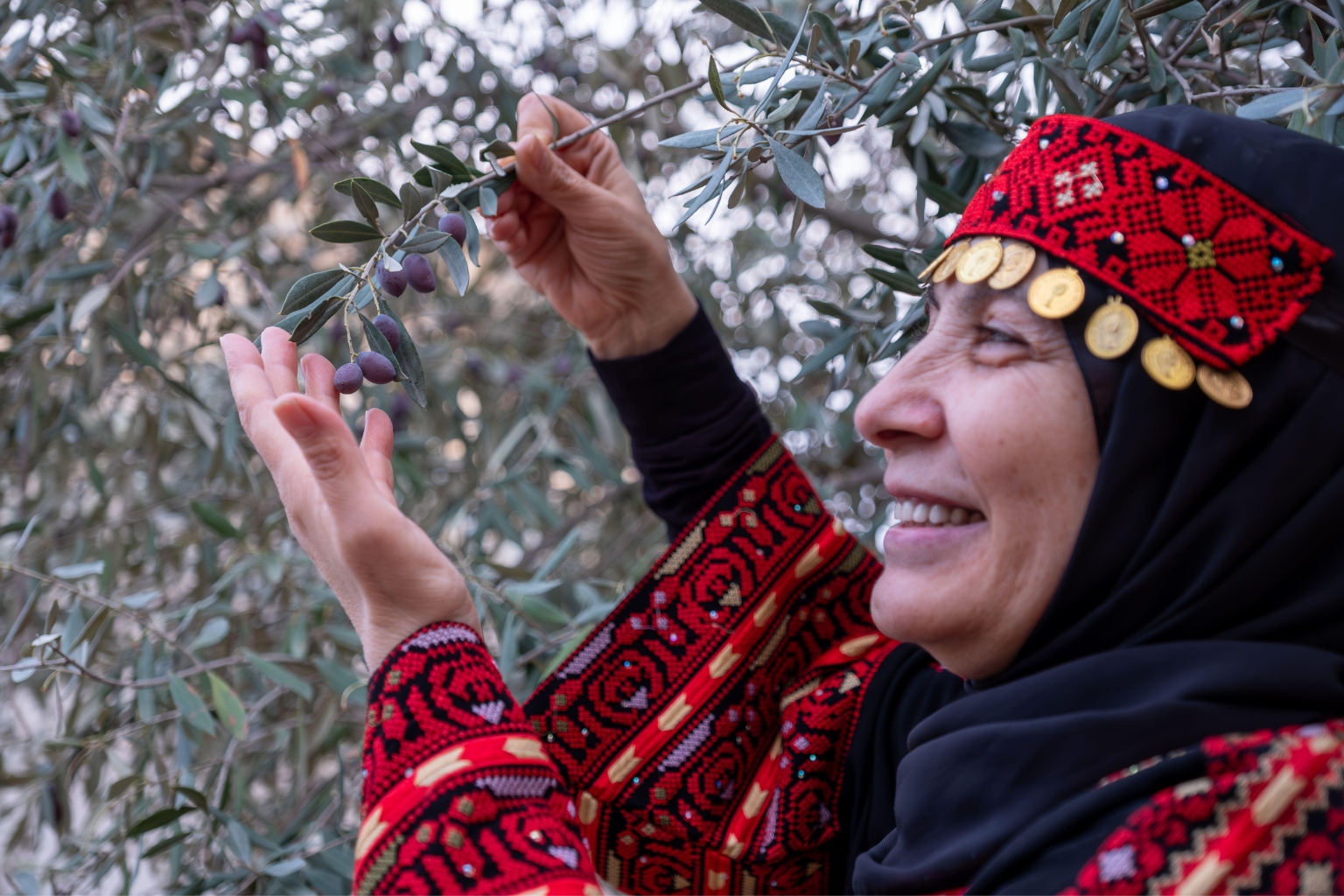
- Clothing: Traditional Palestinian embroidery (tatreez) is famous worldwide for its intricate patterns and symbolic designs, often worn in traditional dresses.
- Family and Social Life: Family ties are very strong in Palestinian society. Social gatherings, hospitality, and respect for elders are important cultural values.
Palestinian National Identity and Politics
Palestinian identity solidified strongly in the 20th century, particularly after the 1948 Nakba (catastrophe), when many Palestinians lost their homes during the creation of Israel.
- Palestinian Liberation Organization (PLO) was founded in 1964 to represent Palestinian national aspirations.
- Palestinian Authority (PA) was established after the Oslo Accords in the 1990s to administer parts of the West Bank and Gaza.
- Despite political divisions, Palestinians worldwide maintain a strong sense of shared identity linked to their history, culture, and claims to the land.
Challenges Faced by Palestinians
Palestinians today face significant challenges that affect their daily lives and futures:
- Occupation and conflict: Parts of the West Bank are under Israeli military occupation with numerous settlements considered illegal under international law. The Gaza Strip faces a blockade.
- Refugee status: Many Palestinians remain refugees, living in camps in neighboring countries without full rights or citizenship.
- Economic hardships: Restrictions on movement, access to resources, and political instability impact economic development.
- Right of return: The question of whether Palestinian refugees and their descendants can return to their ancestral homes remains a key issue in peace negotiations.
Palestinians in the World Today
Despite the difficulties, Palestinians have contributed significantly to global culture, politics, and society.
- Diaspora communities maintain their cultural heritage while integrating into countries worldwide.
- Many Palestinians have become leaders in academia, arts, business, and activism, advocating for peace, justice, and recognition of Palestinian rights.
Conclusion: Who Are the Palestinians?
Palestinians are a people with a rich history, unique culture, and a strong sense of identity tied to their homeland. They have faced immense challenges over the last century but continue to preserve their heritage and hope for a peaceful future.
Understanding who Palestinians are is essential to grasp the complexity of the Middle East and the ongoing Israeli-Palestinian conflict. Their story is one of resilience, culture, and aspiration for self-determination.
External Links and Further Reading
- United Nations Relief and Works Agency for Palestine Refugees (UNRWA)
- Palestinian Central Bureau of Statistics
- BBC: Palestinian Territories Profile
How do I Obtain More Information?
Please email us at info@gopalestine.ps. In the email body, feel free to ask any questions you have. We will respond to you promptly.
Chat With Us!
WhatsApp or Signal: +972-598172071
Volunteer in Palestine – Go Palestine in Hebron provides a unique opportunity to support local Palestinian communities while immersing yourself in their rich culture, deep-rooted history, and everyday life under occupation.
To Check All our Volunteer & Internships Programs, please visit this link:
https://gopalestine.ps/volunteer-and-internships-programs-in-palestine/
Apply & Fees:
https://gopalestine.ps/how-to-apply//
Follow Us on Social Media:
Instagram: @go_palestine
Facebook: Go Palestine Hebron
YouTube: Go Palestine Channel