
Are you planning to learn online Palestinian Arabic? Whether you’re drawn by curiosity, culture, or connection, this unique dialect is more than just a language—it’s a gateway to Palestinian identity, history, and daily life.
In this guide, we’ll walk you through everything you need to know before starting your online journey with Palestinian Arabic. From choosing the right course to understanding what makes the dialect different, this article covers the most common questions people ask.
What Is Palestinian Arabic, and Why Learn It Online?
Palestinian Arabic is a dialect of Levantine Arabic spoken in the West Bank, Gaza Strip, and among Palestinian communities around the world. It’s widely understood across Jordan, Lebanon, and Syria due to its shared Levantine roots.
But what sets Palestinian Arabic apart is its rich vocabulary, unique expressions, and deep cultural context—making it ideal for travelers, human rights activists, students, or anyone working with Palestinian communities.
Today, more people are choosing to learn Palestinian Arabic online due to:
- The flexibility of remote learning
- Access to native teachers
- Cost-effective programs
- Culturally rich materials not found in generic Arabic apps
👉 Focus Keyword: learn online Palestinian Arabic
1. Understand the Difference Between Modern Standard Arabic and Palestinian Arabic
Before you dive into any Arabic course, know that Modern Standard Arabic (MSA) and Palestinian Arabic are different. MSA is the formal version used in books, news, and official documents. In contrast, Palestinian Arabic is what people actually speak in daily life.
If your goal is to communicate with locals, understand Palestinian TV or songs, or work in the West Bank, you need to focus on colloquial Palestinian Arabic—not just MSA.
🔗 For more on the differences between Arabic dialects, check this detailed Wikipedia article on Arabic varieties.
2. Choose the Right Program to Learn Online Palestinian Arabic
There are dozens of Arabic courses online, but very few focus specifically on Palestinian dialect. That’s why many learners struggle to find a course that fits their goals.
Look for programs that offer:
✅ Native Palestinian teachers
✅ Live Zoom sessions, not just pre-recorded videos
✅ Practical focus on conversation, listening, and slang
✅ Access to cultural context and local expressions
✅ Reviews or testimonials from past students
Go Palestine, for example, offers a highly rated Online Palestinian Arabic Program with flexible options, one-on-one sessions, and teachers based in Hebron, West Bank.
3. Focus on Practical Vocabulary First
When you learn online Palestinian Arabic, start with vocabulary you can use right away in conversation. This includes:
- Greetings: Marḥaba, keef ḥalak?
- Common verbs: biddi (I want), baḥki (I speak)
- Everyday phrases: shu ismak? (what’s your name?), kam seʿa? (what time is it?)
This approach helps you build confidence and start speaking early, which is especially important for language retention.
🔗 Internal resource: Read our guide on Essential Palestinian Arabic Phrases for Beginners.
4. Embrace the Local Accent and Expressions
Palestinian Arabic has unique characteristics even within the Levantine dialect group. For example:
- The Qaf (ق) is often pronounced as a glottal stop (ʔ) in urban centers (e.g., Hebron, Ramallah).
- Rural areas may keep the Q sound or soften it differently.
- Words like “now” are hallaʔ in Palestinian Arabic, compared to dilwaʔti in Egyptian Arabic.
Learning with native teachers helps you get used to the real sounds of daily speech—not just textbook versions.
5. Make Cultural Context Part of Your Learning
Language is more than grammar—it’s culture, gestures, and social norms. When you learn online Palestinian Arabic through a program like Go Palestine, you’ll also gain insights into:
- Hospitality customs (coffee/tea rituals, guest etiquette)
- Family structures and naming conventions
- Local proverbs, jokes, and idioms
- Ramadan greetings and holidays
This cultural layer makes your conversations more natural and respectful.
6. Track Your Progress and Keep Speaking
Consistency is key when learning any language. To stay on track:
- Set weekly goals (e.g., learn 20 new words)
- Practice 10–15 minutes daily
- Record yourself speaking
- Join online language exchange groups
Go Palestine’s online Arabic programs often include weekly check-ins and personalized feedback so you’re not learning alone.
📚 Pro Tip: Use spaced repetition tools like Anki or Quizlet to remember vocabulary faster.
7. Learn From Real People, Not Just Apps
Apps like Duolingo or Memrise can be helpful—but they rarely teach Palestinian dialect. They also don’t give you the chance to speak, ask questions, or understand subtle meanings.
If your goal is to truly connect with Palestinian people or work in Palestine, the best way is to:
- Learn with real Palestinian teachers
- Practice real-life situations
- Get feedback on your accent and grammar
🔗 External link: Why apps can’t replace real language learning
Bonus Tip: Learn Palestinian Arabic for Travel, Work, or Solidarity
More and more people are choosing to learn online Palestinian Arabic for deeper reasons. Whether you’re planning to volunteer in the West Bank, work in human rights, or simply want to connect with Palestinian friends—you’re doing more than just learning a language.
You’re joining a global community that values cultural understanding, solidarity, and dialogue.
🌍 Want to make your learning even more impactful? Consider joining a Palestinian Arabic intensive course online or on-site with Go Palestine.

How do I apply or receive additional information?
To get started, please email Mr. Tamimi at info@gopalestine.ps. In the subject line, be sure to write “Study Arabic ONLINE“. In the body of your email, feel free to ask any questions you may have regarding the course or any details you need clarification on. Additionally, request an application if you’re interested in joining. We will review your message and respond to you as soon as possible with all the necessary information.
Application Procedure for the Online Course
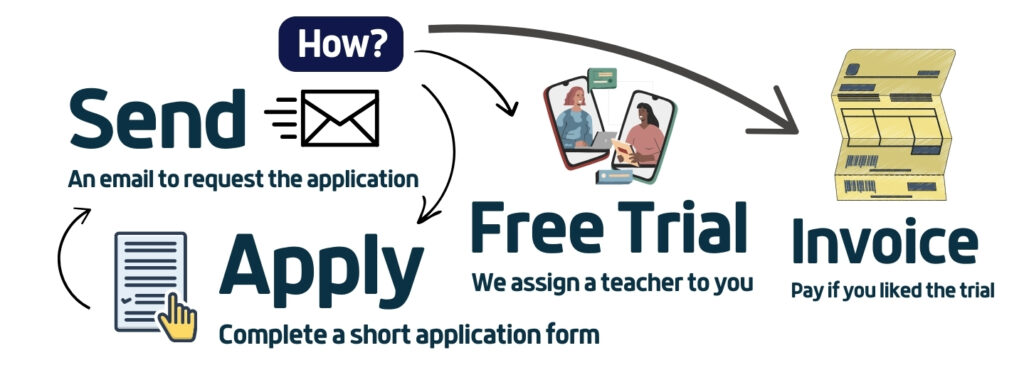
Step 1: Send us an email requesting the application form.
Step 2: Complete the online application form and submit it.
Step 3: We’ll connect you with a teacher to start your free trial class.
Step 4: If you’re satisfied with the trial, we’ll send you the invoice for payment.
Step 5: The minimum commitment is 10 hours.
Step 6: After making the payment, you can continue with the course and schedule additional hours as needed.
For more information Chat With us!
WhatsApp or Signal : +972-598172071
We’d love to have you learn Arabic with us from Palestine!
How do I Obtain More Information?
Please email us at info@gopalestine.ps. In the email body, feel free to ask any questions you have. We will respond to you promptly.
Chat With Us!
WhatsApp or Signal: +972-598172071
Volunteer in Palestine – Go Palestine in Hebron provides a unique opportunity to support local Palestinian communities while immersing yourself in their rich culture, deep-rooted history, and everyday life under occupation.
To Check All our Volunteer & Internships Programs, please visit this link:
https://gopalestine.ps/volunteer-and-internships-programs-in-palestine/
Apply & Fees:
https://gopalestine.ps/how-to-apply//
Follow Us on Social Media:
Instagram: @go_palestine
Facebook: Go Palestine Hebron
YouTube: Go Palestine Channel
